Introduction
Menopause is a natural biological process that marks the end of a woman’s reproductive years. While it’s a normal part of aging, the transition can bring a range of uncomfortable symptoms—from hot flashes and night sweats to mood swings, sleep disturbances, and bone density loss. For many women seeking relief, hormonal therapy may be effective but isn’t always the preferred choice due to potential side effects or medical restrictions.
That’s where natural alternatives like soy protein come into focus.
Soy protein, derived from soybeans, is not only a complete source of plant-based protein, but it’s also rich in isoflavones—natural compounds with estrogen-like properties. These isoflavones may play a significant role in alleviating menopausal symptoms and promoting overall well-being.
In this article, we’ll explore how soy protein may help ease menopausal symptoms naturally, what the science says, and how you can incorporate it into your daily diet for long-term support.
What Happens to the Body During Menopause?
Menopause typically occurs between ages 45 and 55 and is defined as 12 consecutive months without a menstrual period. The symptoms associated with menopause arise largely due to declining levels of estrogen and progesterone in the body.
Common symptoms include:
- Hot flashes and night sweats
- Mood swings and irritability
- Sleep disruptions
- Vaginal dryness
- Reduced bone density
- Weight gain
- Decreased skin elasticity and energy
While hormone replacement therapy (HRT) is commonly prescribed, many women seek non-pharmaceutical alternatives to reduce symptoms without added health risks.
What Is Soy Protein?
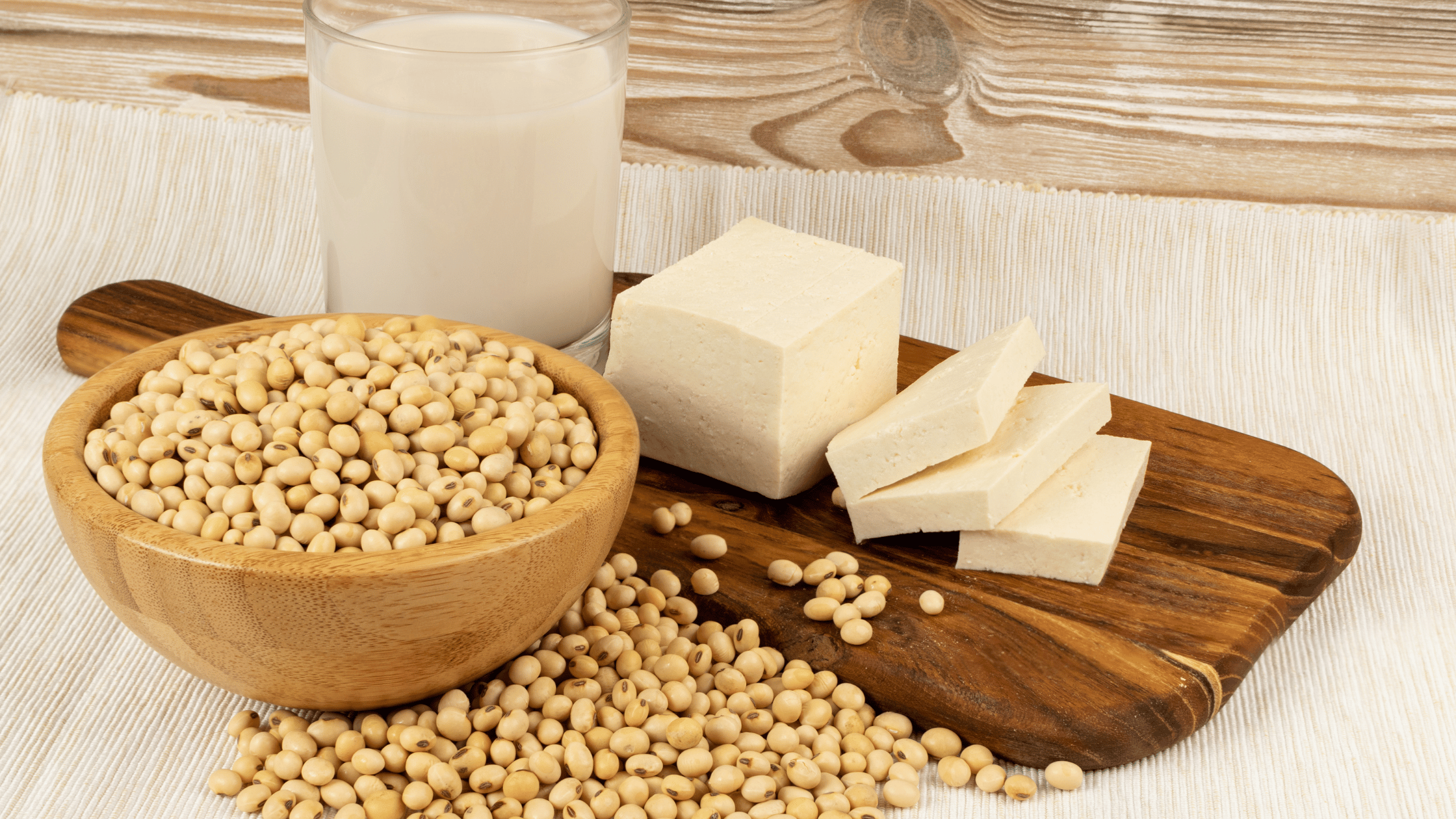
Soy protein is a high-quality plant-based protein extracted from soybeans. It contains all nine essential amino acids and is often used as a meat substitute or nutritional supplement. But what makes soy particularly interesting for menopausal women is its isoflavone content—specifically genistein and daidzein.
These isoflavones are classified as phytoestrogens, which means they mimic estrogen in the body by binding to estrogen receptors. While they’re not as strong as the body’s natural estrogen, they may provide mild estrogenic effects, which can be helpful during menopause.
How Soy Protein May Help with Menopausal Symptoms
🌡️ 1. Reduces Hot Flashes and Night Sweats
Hot flashes are one of the most common and distressing symptoms of menopause. Several studies have shown that soy isoflavones may reduce the frequency and intensity of hot flashes.
- A meta-analysis published in Menopause (the journal of the North American Menopause Society) found that soy isoflavone supplementation reduced hot flash frequency by over 20% compared to placebo.
- The effect may be more pronounced in women who experience more severe symptoms and in those who consume soy regularly.
Isoflavones appear to modulate body temperature regulation by acting on the hypothalamus—similar to how estrogen does.
😌 2. Improves Mood and Cognitive Stability
Hormonal fluctuations during menopause can lead to anxiety, depression, or mood instability. Some research suggests that soy isoflavones may support neurotransmitter balance, leading to improved mood.
- Soy’s estrogen-like action may promote serotonin activity, which is often reduced during menopause.
- While not a replacement for antidepressants, soy can be a gentle, natural adjunct for emotional well-being.
🦴 3. Supports Bone Health
Postmenopausal women face an increased risk of osteoporosis due to estrogen decline. Soy isoflavones may help by:
- Stimulating bone-forming cells (osteoblasts)
- Reducing bone resorption (loss)
Studies show that regular soy consumption may help maintain bone mineral density, especially in early postmenopausal women.
Soy protein also contains calcium, magnesium, and phosphorus, which further contribute to bone strength.
❤️ 4. Improves Heart Health
Estrogen protects cardiovascular function, and its decline may increase the risk of heart disease. Soy protein can support heart health by:
- Lowering LDL (bad) cholesterol
- Raising HDL (good) cholesterol
- Reducing blood pressure
The FDA recognizes soy protein’s heart benefits, allowing products containing at least 25g per day to carry a heart health claim.
For menopausal women at risk of heart disease, soy provides dual benefits—hormonal support and cardiovascular protection.
😴 5. Supports Better Sleep
Poor sleep is common during menopause, often due to hot flashes, anxiety, or hormonal imbalance. Preliminary studies suggest that:
- Soy isoflavones may reduce sleep disturbances
- Improved serotonin levels from isoflavones can promote deeper, more restful sleep
Soy-based foods are also naturally low in sugar, making them a balanced choice for evening meals or snacks that won’t spike blood sugar levels.
Best Sources of Soy Protein
To gain the benefits of soy protein, aim to include it in whole-food or minimally processed forms. Here are the best options:
🥛 Soy Milk
- Rich in protein and isoflavones
- Great for smoothies, coffee, or cereal
🍽️ Tofu
- Versatile in savory dishes, stir-fries, or grilled options
- One of the highest sources of soy protein per serving
🍜 Tempeh
- Fermented soy product with enhanced digestibility
- Contains probiotics for gut health
🫘 Edamame (Green Soybeans)
- Ideal as a snack or salad topping
- High in fiber and protein
🥤 Soy Protein Powder
- Convenient for smoothies and meal replacements
- Choose non-GMO and minimally sweetened options
How Much Soy Should You Eat?
Most studies recommend 40–80 mg of soy isoflavones per day to see symptom relief. This is equivalent to:
- 1–2 cups of soy milk
- 1/2 block of tofu
- 1 cup of edamame
- One soy-based protein shake
Note: The effect of soy isoflavones may take 4–12 weeks to become noticeable, so consistency is key.
Are There Any Side Effects or Risks?
For most people, moderate soy consumption is safe and beneficial. However, some things to keep in mind:
- Soy allergies: Avoid soy if you have a known allergy
- Thyroid concerns: Those with hypothyroidism should consult a doctor before increasing soy intake, especially if taking thyroid medication
- Breast cancer history: While most research shows soy is safe for survivors, it’s best to consult a healthcare provider
Opt for whole soy foods over highly processed soy additives (like soy oil or soy protein isolate in junk food), which don’t carry the same benefits.
Conclusion
For women navigating the ups and downs of menopause, soy protein offers a natural, science-backed option for relief. Its unique isoflavones mimic estrogen in the body, helping to ease hot flashes, stabilize mood, support bone and heart health, and improve overall quality of life—without the side effects often linked to hormone replacement therapy.
Incorporating soy-based foods into your daily routine—whether through a warm bowl of miso soup, a tofu stir-fry, or a protein-rich soy smoothie—can be a delicious and nourishing step toward a more comfortable, balanced menopause experience.